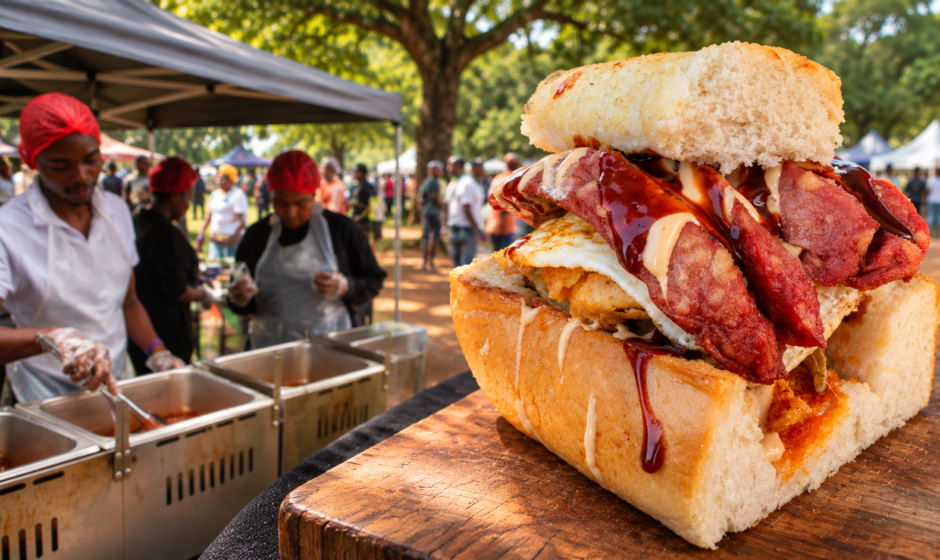

The kota tasted like Soweto. The experience was unmistakably Eswatini.
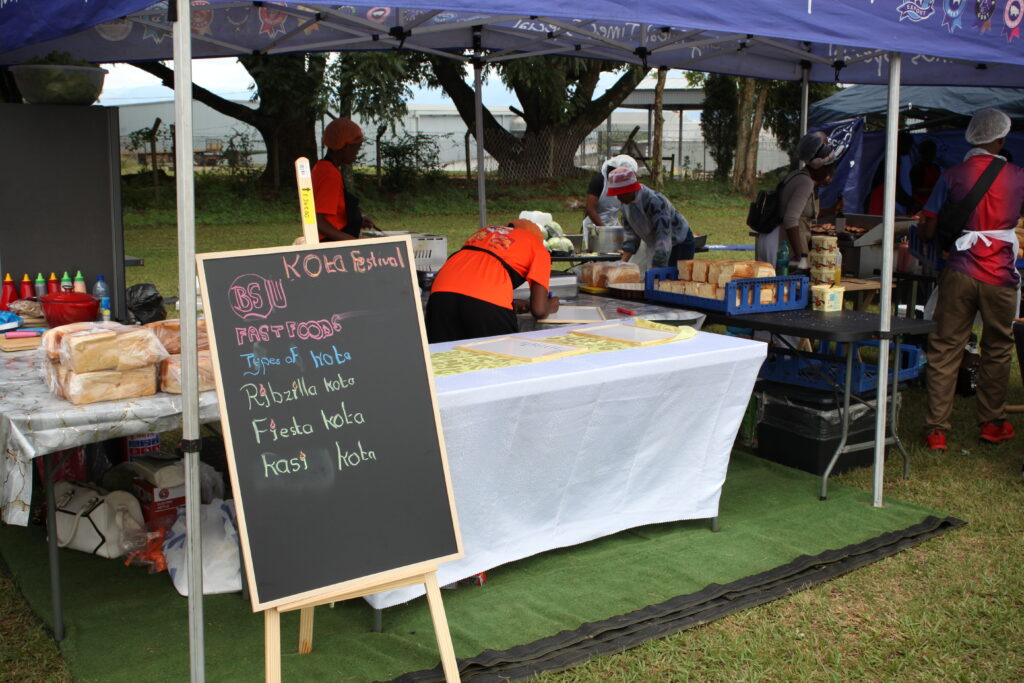
There is something extraordinary about taking an ordinary meal, placing it in an extraordinary setting and discovering that it suddenly means so much more.
On 24 October 2026, the picturesque Malkerns Valley came alive with music, laughter, food and thousands of revellers celebrating one of Southern Africa’s most recognisable street foods: the humble kota.
At the Eswatini Kota Festival, a quarter loaf of bread became the centrepiece of a celebration of culture, entertainment and entrepreneurship.
But beyond the music, elaborate food creations and festive atmosphere, there was something uniquely memorable about enjoying this familiar township delicacy in the beautiful Kingdom of Eswatini.
The Humble Kota: From Township Staple to Culinary Icon
The kota traces its roots to South Africa’s township food culture, particularly the bustling communities of Gauteng.
Its name comes from the English word quarter, referring to the quarter loaf of bread hollowed out to accommodate an assortment of fillings.
Traditionally prepared with chips, polony, Russian sausages, cheese, eggs, atchar and sauces, the kota became an affordable, filling meal for working-class communities.
Its precise historical origins remain debated, but its place in South African township culture is beyond question.
Known elsewhere as spatlo or sphahlo, the kota has evolved considerably. What was once an inexpensive convenience meal has become a platform for culinary experimentation, with entrepreneurs creating increasingly elaborate versions featuring premium meats, unusual combinations and inventive sauces.
The kota is more than street food. It represents resourcefulness, entrepreneurship and a distinctly Southern African ability to create something remarkable from humble beginnings.
Bringing the Kota to the Kingdom
The Kota Festival’s journey towards Eswatini began in 2024, when the Kingdom was included in plans for a regional tour extending beyond South Africa into neighbouring countries.
An event was advertised for September 2024, with further plans announced for 2025. However, the September 2025 festival was postponed following lower-than-expected advance ticket sales.
The 24 October 2026 gathering at Malkerns Country Club marked a major milestone for the festival’s development in Eswatini.
The event was presented by South African production company Goldex Events, working alongside Bambelela.
Led by festival founders Xolani Machele and Luvo Limba, the broader Kota Festival initiative aims to elevate township food culture while creating commercial opportunities for vendors, artists and small businesses.
It is an ambitious idea: transforming an everyday meal into a regional cultural and economic attraction.
A Taste of Soweto, Served with the Eswatini Experience
For anyone familiar with South Africa’s townships, a kota can awaken powerful memories.
The smell of freshly prepared chips, the familiar combination of polony, Russian sausage, beef patties and sauces, and the generous portions all evoke memories of neighbourhood food stalls and the unmistakable character of township life.
That nostalgia was very much part of our experience at the 2026 Eswatini Kota Festival.
The festival showcased an impressive range of kotas, including exotic creations generously packed with fresh ingredients and elaborate combinations.
Some were almost overwhelming in their abundance, particularly for those who appreciate the simplicity of the traditional kota.
Yet the real magic was not necessarily in the number of ingredients.
It was in the setting.
Enjoying a freshly prepared kota, washed down with a refreshing Sprite, surrounded by the beautiful Malkerns countryside and the sounds of live music, created an experience that felt both familiar and entirely new.
What had once been an everyday township meal was now being enjoyed as a celebrated culinary delicacy.
The familiar taste brought back memories of Soweto, but the atmosphere transformed the occasion into something distinctly Swati.
The kota tasted like Soweto. The experience was unmistakably Eswatini.
Music, Entertainment and Family Fun
The 2026 festival offered much more than food.
An impressive line-up of South African performers brought together different musical genres and generations.
Young Stunna delivered amapiano energy, while Amanda Black, Vusi Nova and Mlindo the Vocalist brought soulful performances. Emtee, MÖRDA, Xowla and other artists contributed to a lively entertainment programme.
Popular personality Somizi Mhlongo added his unmistakable presence to the celebrations.
Among the memorable moments was Vusi Nova’s emotional tribute to the late Zahara, during which festivalgoers illuminated the venue with their mobile phones while singing along to Loliwe.
For younger visitors, activities such as quad biking and zip-lining provided additional entertainment.
These attractions helped establish the event as a family-friendly lifestyle festival rather than an exclusively food-and-music gathering.
The atmosphere offered something for different age groups, making it an appealing option for families and travellers seeking a shared experience., perhaps, is the unique Eswatini effect.
The Venue: A Beautiful Setting with Room for Improvement
Malkerns Country Club proved an excellent choice of venue.
Located in one of Eswatini’s most scenic valleys, it provided an inviting outdoor setting for the festivities.
Our R300 ticket, purchased through Computicket, was scanned without difficulty, making the ticket-validation process straightforward.
However, the venue’s entrance infrastructure deserves attention.
As festivals grow in popularity and attendance increases, efficient access becomes essential to the overall visitor experience.
Improving the entrance arrangements would help Malkerns Country Club accommodate future large-scale events more comfortably.
It is a relatively practical concern, but an important one if the venue intends to attract more major festivals.
A Festival That Means Business
Beyond entertainment, events such as the Kota Festival can contribute meaningfully to Eswatini’s visitor economy.
Organisers reported approximately 7,000 advance ticket sales for the 2026 event, with a target of 8,000 attendees.
The festival created opportunities for food vendors, security providers, cleaners, decorators and other event-service businesses.
A Best Kota competition, supported by Embiveni Meats, also rewarded local culinary entrepreneurs, with Mabhodweni, Phumai Whitehouse and Maps Eatery sharing E5,000 in prizes.
Organisers projected more than 2,000 employment opportunities, although the final number of jobs created and the event’s total economic contribution have not been independently confirmed.
The potential benefits extend beyond the festival grounds.
Visitors require accommodation, transport, fuel, meals and other services. Travellers who extend their stay may explore the Kingdom’s restaurants, craft markets and cultural attractions.
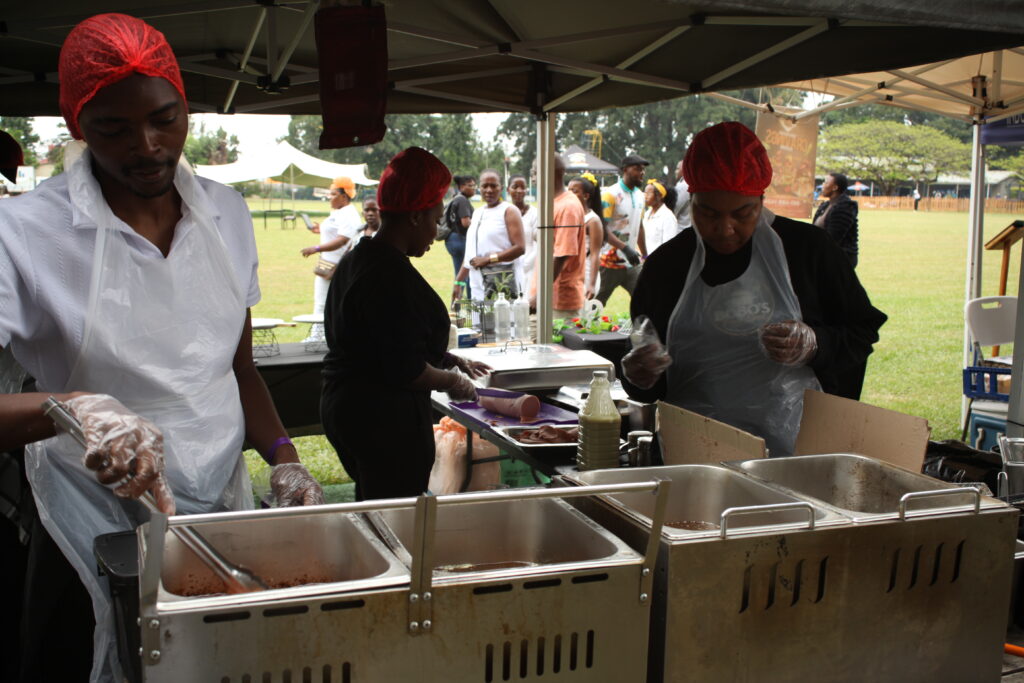
For Eswatini, this is where the opportunity becomes particularly interesting: a food festival can become an entry point into a much broader tourism experience.
Could the Kota Become a Swati Favourite?
Although the kota originated in South Africa, its growing popularity presents opportunities for Eswatini’s food entrepreneurs.
Southern African culinary traditions have always evolved through cultural exchange. Eswatini has its own distinctive food heritage and we look forward to a kota distinctly Swati.
Imagine a Swati-inspired kota prepared with locally sourced meats, indigenous vegetables or sauces influenced by traditional flavours.
Such innovations would not replace established Swati cuisine. Instead, they could add a contemporary dimension to the country’s evolving street-food culture.
The next great interpretation of the kota might well emerge from a small food business in Manzini, Mbabane or Siteki.
Why the Experience Belongs on Your Travel Bucket List
The beauty of the Eswatini Kota Festival lies in the combination of its familiar food culture and extraordinary surroundings.
Malkerns is already home to attractions such as Swazi Candles, Malandela’s and the internationally recognised MTN Bushfire Festival.
Visitors can explore local crafts, discover the surrounding Ezulwini Valley, experience Swati hospitality and enjoy the Kingdom’s natural beauty.
A trip to the Kota Festival therefore offers more than a single day’s entertainment.
It presents an opportunity to discover a country where cultural traditions, contemporary lifestyle experiences and scenic landscapes exist remarkably close to one another.
The festival is still establishing its place on Eswatini’s events calendar. Its long-term success will depend on consistent organisation, investment in visitor facilities and meaningful participation by local businesses.
But the 2026 experience demonstrated considerable promise.
Ultimately, the kota itself was never the whole story.
It was the nostalgia of Soweto, the warmth of Eswatini, the music, the people and the beauty of Malkerns coming together around a humble quarter loaf of bread.
And that is what makes the experience worth travelling for.
Come for the kota. Stay for the music. Discover the Kingdom.
Eswatini Central — Discover the Kingdom. Experience the Difference.